Freemasonry is built upon the foundational principles of brotherly love, relief, and truth; and
promotes personal growth, social responsibility and moral uprightness among its members.
Freemasonry is a long term commitment.
The first part of the journey from Entered Apprentice to Master will typically take a year or more. Having become a Master Mason most members continue through the different Offices of the Lodge until they reach the Worshipful Masters Chair. Part two of the journey to the Masters Chair would normally take a further 6 or 7 years. It is only once you have reach the Masters Chair that the final secrets and mysteries of Freemasonry are revealed.
Always Remember About Freemasonry:
Once a Freemason, you are a Freemason for life.
A hobby, a masons family and work commitments should always take priority over Freemasonry.
Freemasonry is about a persons character and not about the depth of his pocket.
The Journey
From Candidate to Master Mason
Entered Apprentice
Your first step into Freemasonry where you’ll learn the fundamental principles of moral and ethical conduct.
Fellow Craft
As you advance you’ll delve into the importance of education, expanding your mind and learning how to apply wisdom in your life.
Master Mason
Reach the pinnacle of the Craft Degree, here you’ll grasp the deeper spiritual and moral teachings of a master mason.
From Master Mason to Masters Chair
Steward
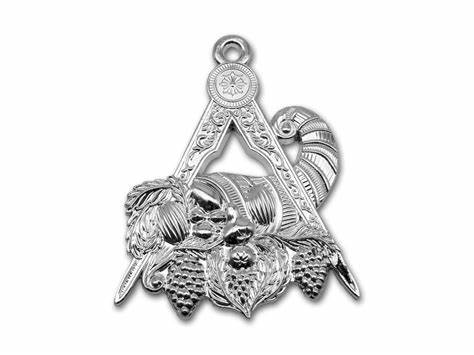
The Steward plays an important supporting role, primarily focused on ensuring the comfort and well-being of the members during meetings and events. Stewards are responsible for preparing the meeting space, setting up the necessary equipment, and assisting with the ceremonial rituals. They often serve the officers and members during meals or social gatherings, ensuring that the chapter’s functions run smoothly.
Guard
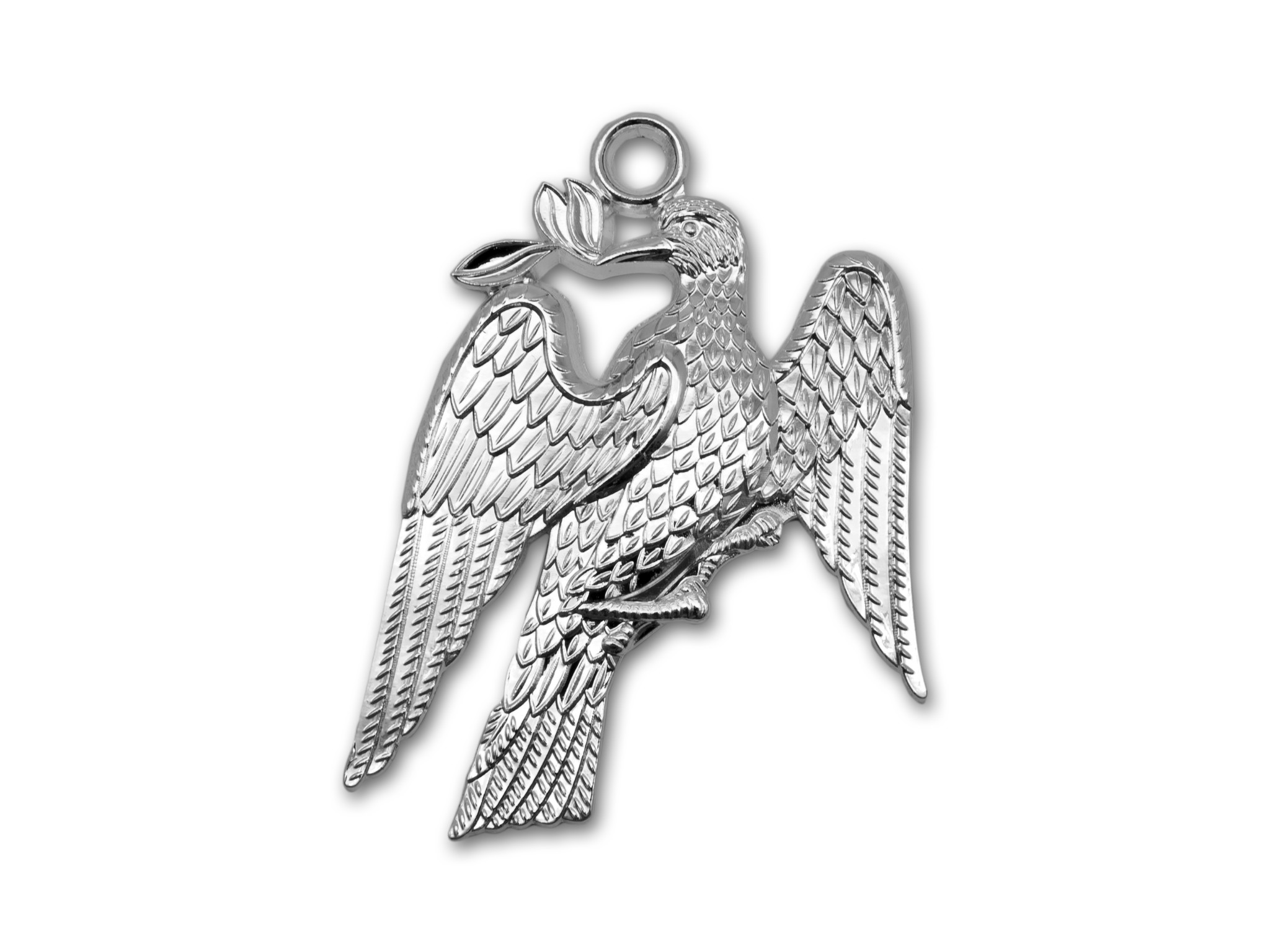
The Guard is responsible for maintaining security and order, particularly during the initiation and ceremonial proceedings. The Guard ensures that only those authorized to be present are admitted to the Chapter, often standing at the entrance to control access. They may also play a role in ensuring that the rituals are carried out in a dignified and orderly manner.
Deacon
The Deacon serves as an important ceremonial officer, assisting in the communication and flow of ritual activities. There are typically two Deacons: the Senior Deacon and the Junior Deacon. The Senior Deacon is responsible for escorting candidates during rituals, guiding them through various stages of the ceremony. The Junior Deacon often assists by managing the preparation of candidates.
Warden
The Warden plays a crucial leadership role, primarily overseeing the smooth functioning of the chapter’s meetings and assisting in the ritual work. There are typically two Wardens: the Senior Warden and the Junior Warden. The Senior Warden is second in command and supports the Worshipful Master in guiding the chapter. The Junior Warden is often responsible for maintaining order, especially within the chapter room, and ensuring the welfare of the members.
Worshipful Master
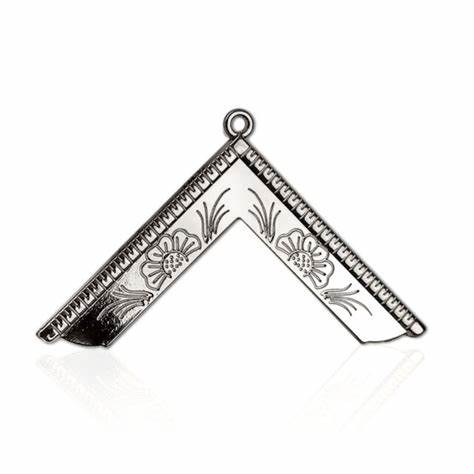
The Worshipful Master is the presiding officer and leader of a Masonic Chapter. As the highest authority within the Chapter, the Worshipful Master is responsible for overseeing the meetings, guiding the ritual work, and ensuring the proper conduct of all activities. They lead the Chapter’s ceremonies, including the initiation, passing, and raising of candidates, and are tasked with maintaining harmony, discipline, and decorum among the members.
Past Master
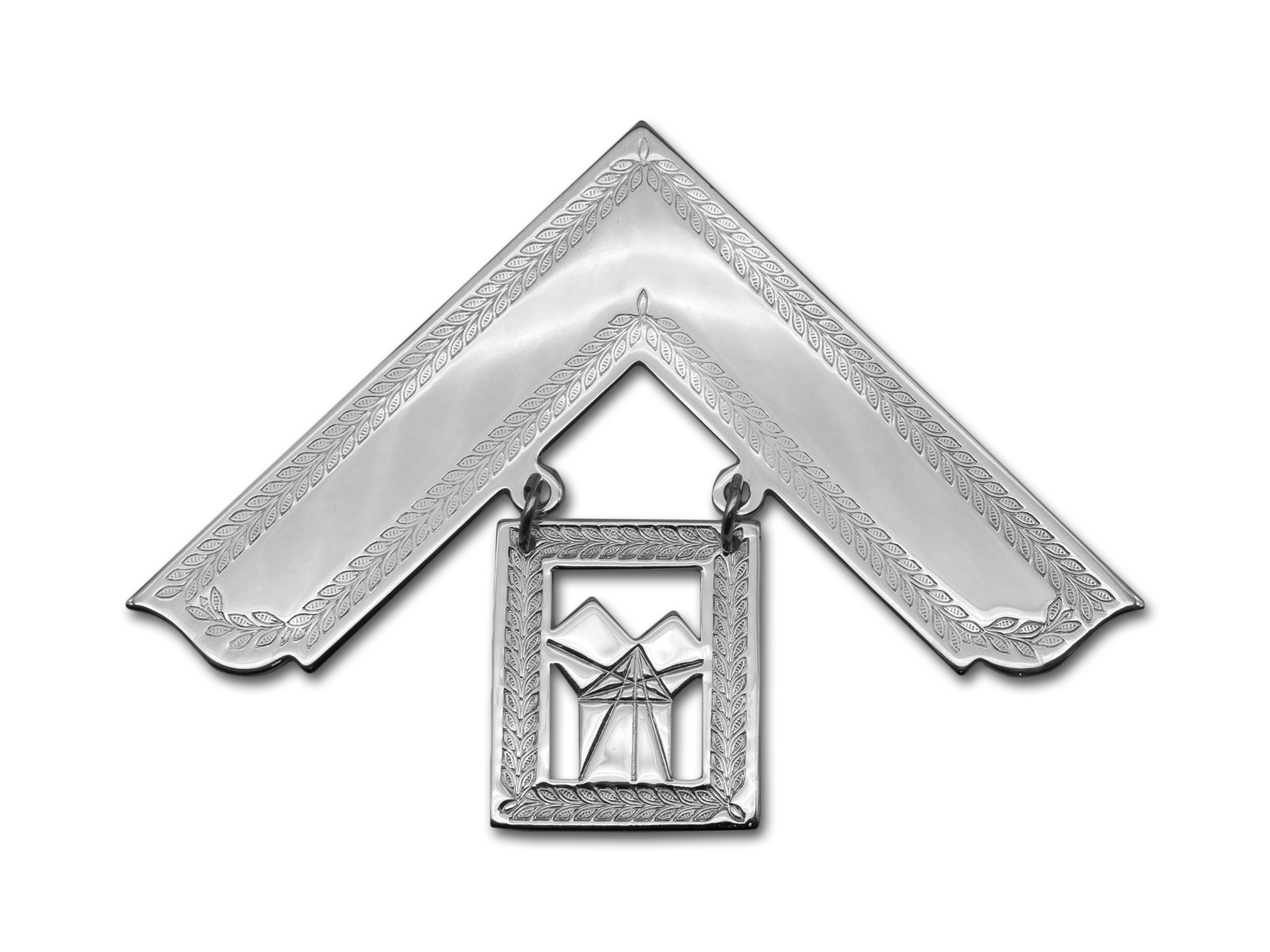
The Past Master is a former Worshipful Master who has completed their term of office. While no longer the presiding officer, the Past Master continues to play an important role in the Masonic Chapter by offering guidance, experience, and wisdom to current leaders and members. They often serve as a mentor to newer members and officers, helping to ensure the smooth operation of the Chapter.